Vulnerable women
CHC equips vulnerable women with market-relevant vocational skills, daily meals, and counselling, helping them build income, confidence, and independence beyond daily survival.
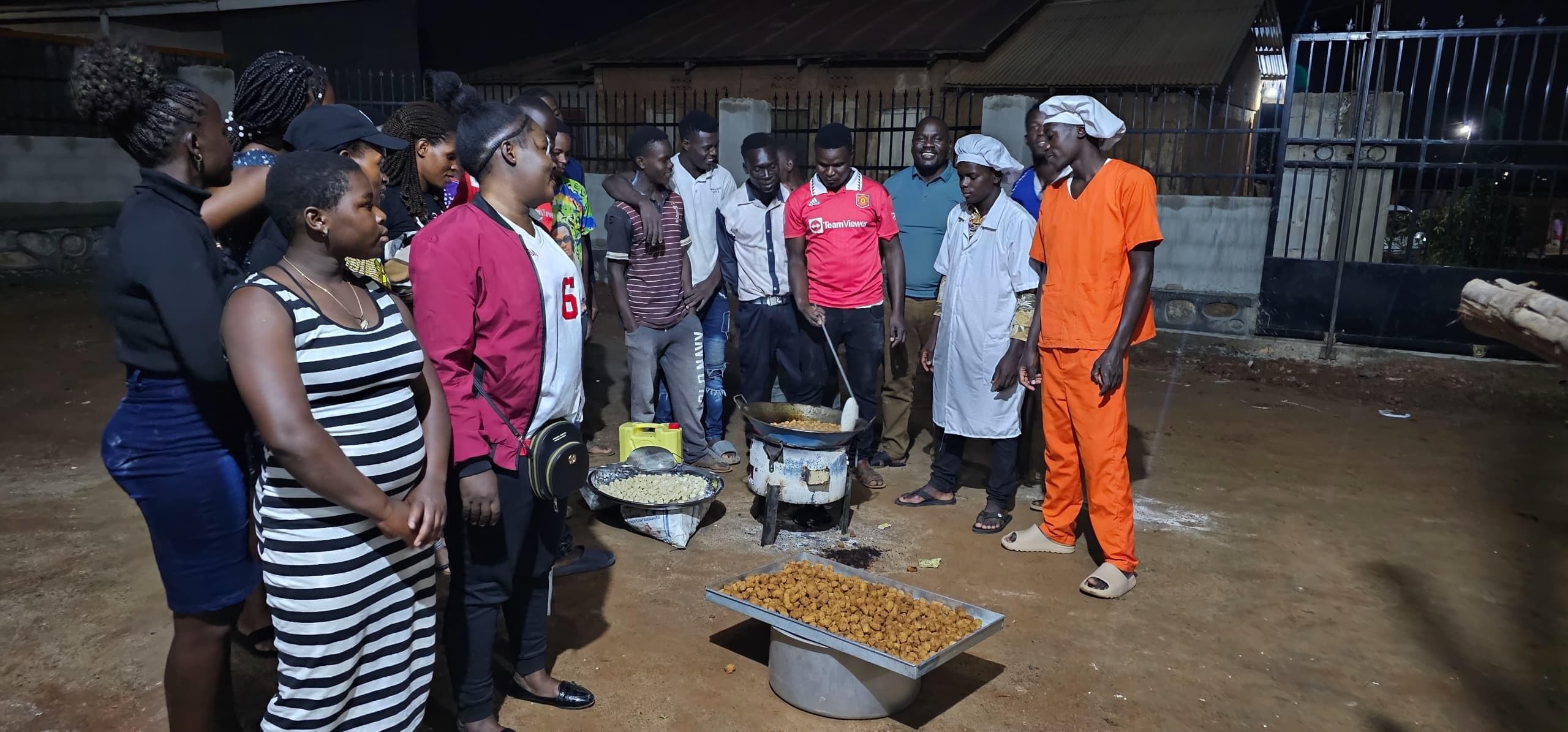
Christ’s Hands Centre works in Kasangati and surrounding communities in Uganda, serving families facing the highest levels of vulnerability and limited access to social services - regardless of religion, ethnicity, gender, or sexual orientation.
Christ’s Hands Centre works in Kasangati and surrounding communities in Uganda, serving families facing the highest levels of vulnerability and limited access to social services - regardless of religion, ethnicity, gender, or sexual orientation.
Our priorities reflect a holistic approach that addresses immediate survival needs while building long-term pathways to dignity, income, and family resilience.
Christ’s Hands Centre prioritizes whole-family empowerment. By addressing the interconnected realities of hunger, childcare, skills, and emotional wellbeing, we create pathways for vulnerable women and children to move beyond crisis and toward stable, self-reliant lives.
This integrated approach strengthens families today while building healthier, more resilient communities for generations to come.
CHC prioritizes vocational skills that translate directly into real income opportunities. Training is designed around trades with proven demand in local markets, enabling participants to secure employment or launch micro-enterprises.
Programs include tailoring and fashion design, baking and confectionery, bar and liquid soap making, metal fabrication, notebook production, hair and barbering, and information technology. These skills are paired with entrepreneurship, budgeting, and financial literacy so graduates can move from training to sustainable livelihoods.
Our focus is not certification alone, but practical employability - skills that can be used immediately, even in modest or informal settings.
While emergency needs are real, CHC prioritizes long-term family stability over temporary relief. Every program is designed to move families from survival to self-reliance.
Our goal is not short-term assistance, but durable change - families who are resilient, empowered, and able to shape their own futures.